
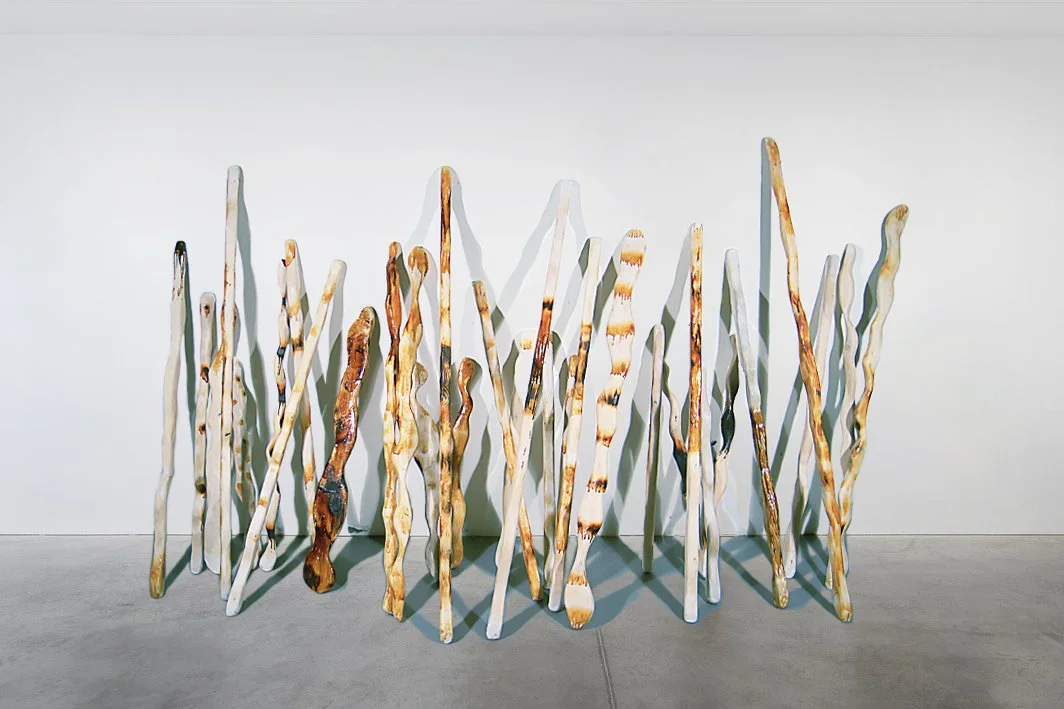
Pyrolysis
Composed of found materials - old wood remnants from an abandoned construction site - these anthropomorphic forms were hand-sculpted, coated and burned to suggest complex associations with our ever changing climate.
Enduring Figures
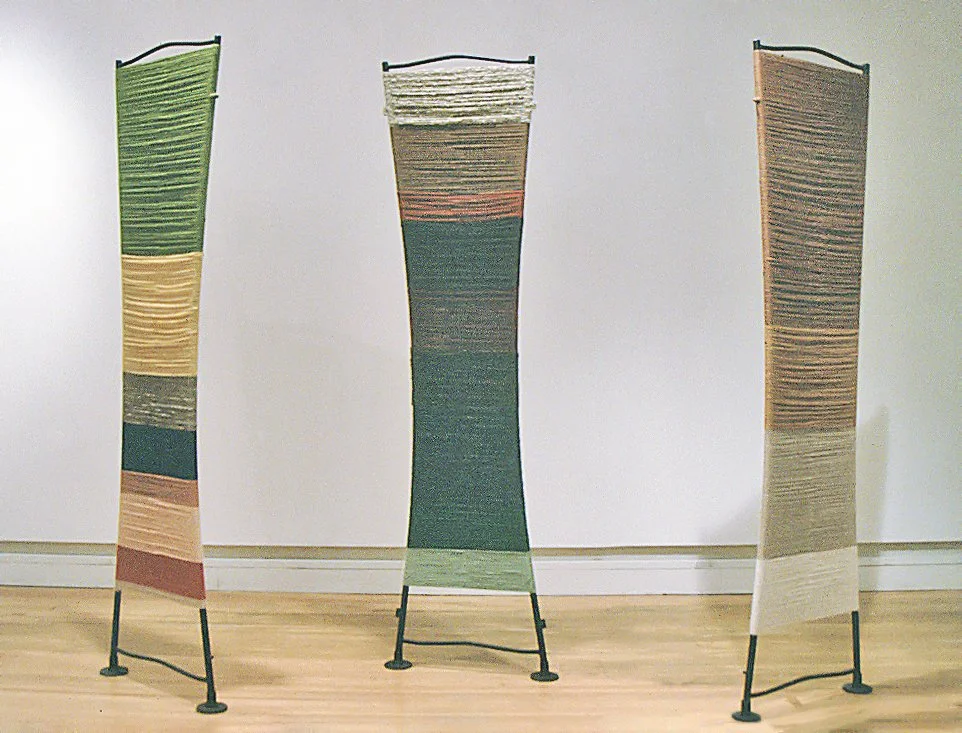
A meditation on one of the oldest surviving crafts in the world. There are some indications that weaving was known as early as 27,000 years ago. The basic principle of weaving was applied to interlace found iron frame figures, as branches and twigs were used to create shelters for protection so long ago. Weaving became an indispensable skill for people and was consequently closely connected to the family unit, a tradition that has endured for millennia.
Women and Madness
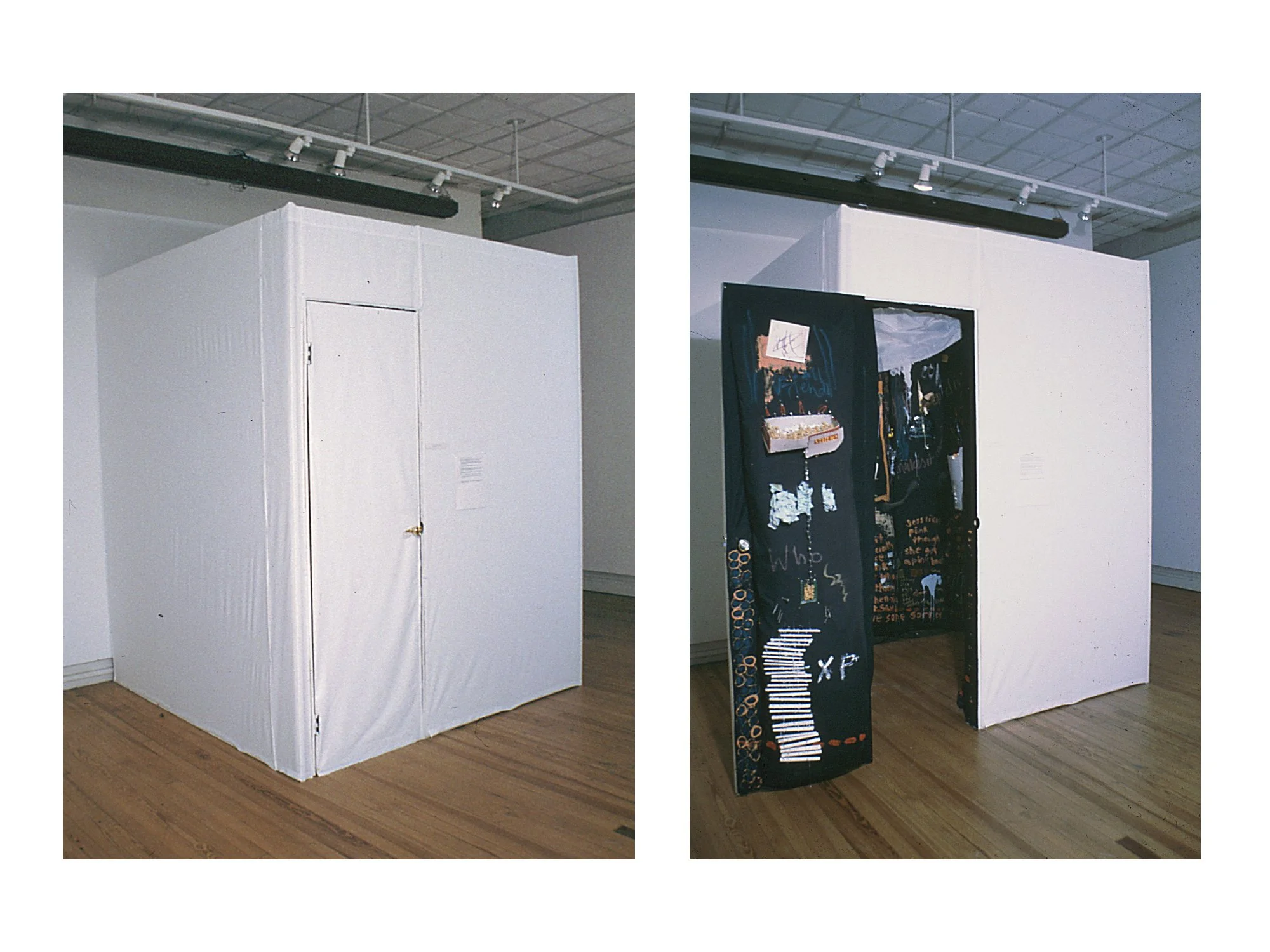
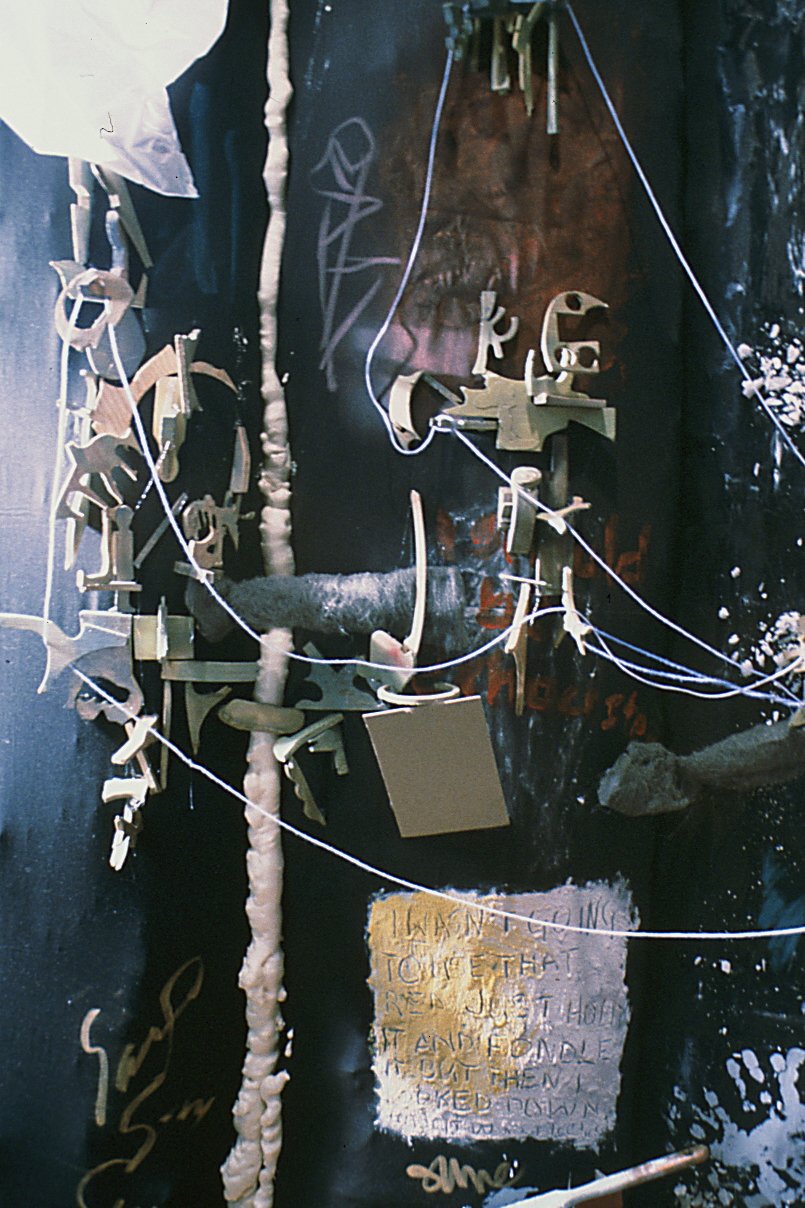
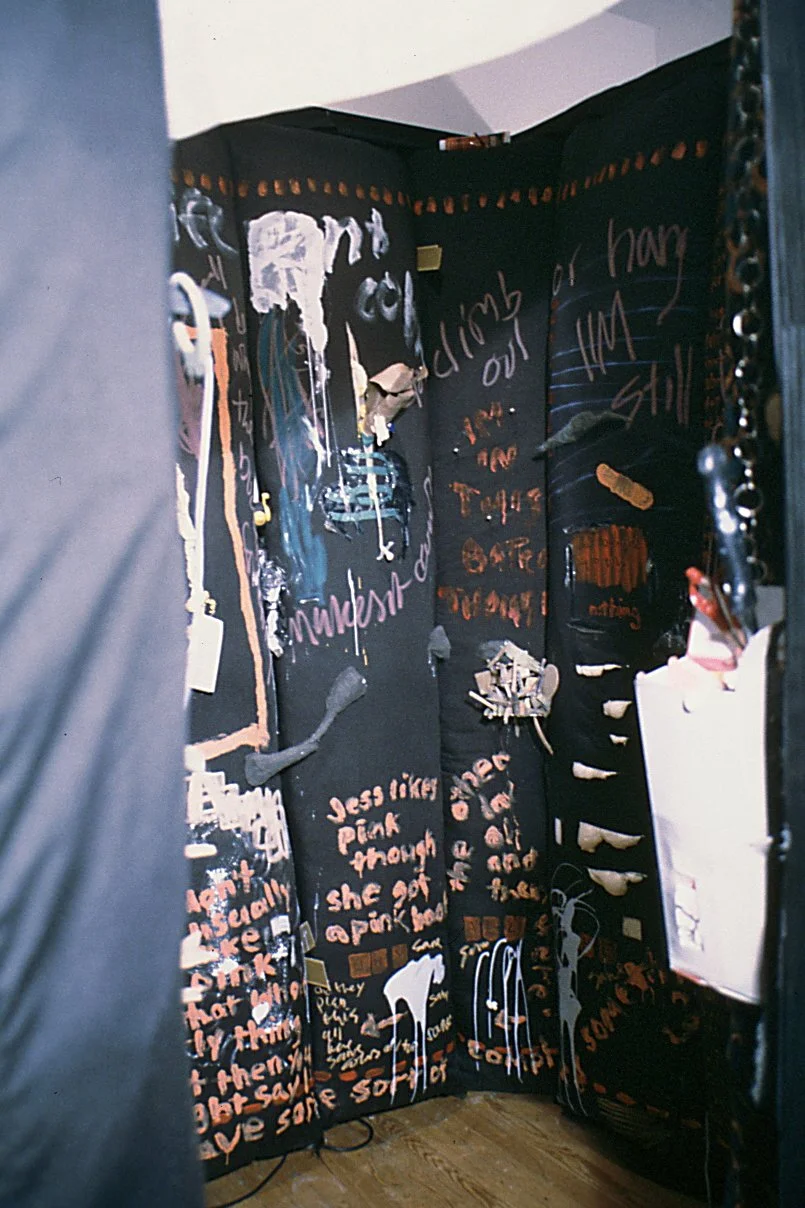
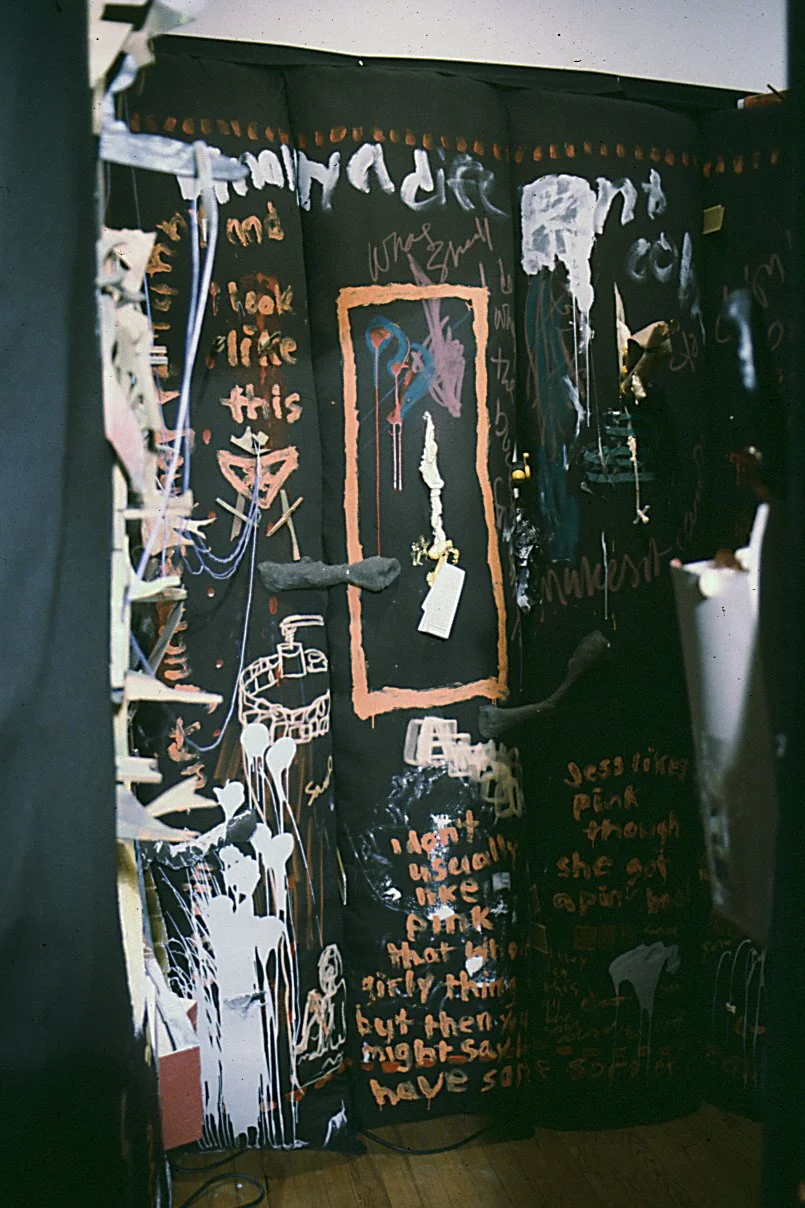
Women and Madness is an art installation exploring the intersection of gender, mental health, and societal power structures. It examines the historical and cultural feminization of psychiatric and psychological thinking and practice, highlighting how these fields have influenced, and been influenced by, gendered norms. The installation draws inspiration from Phyllis Chesler’s groundbreaking 1972 book, Women and Madness, which challenged male-dominated narratives in psychiatry. Prior to Chesler’s work, male authors linked definitions of pathology and health, treatment methods, and societal power dynamics to the judgments and authority of doctors—reinforcing patriarchal control over concepts of sanity and madness. Chesler disrupted this framework, revealing how these judgments were shaped by the conditions of women living in a patriarchal society. Through this lens, the installation addresses critical issues in women’s mental health. By weaving these themes together, the work creates a space to reflect on the systemic challenges women face in the pursuit of mental and emotional well-being.