
Ф phi
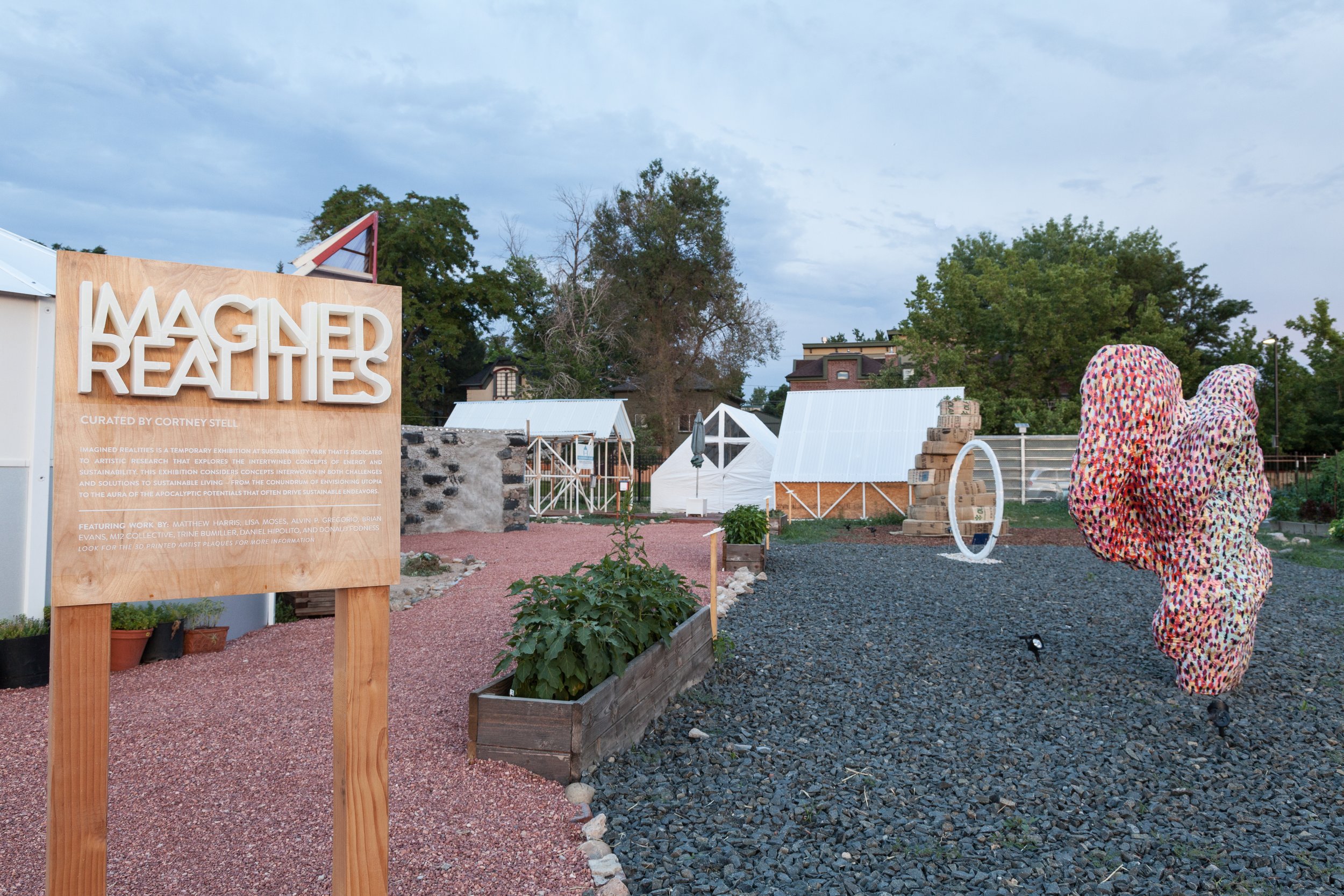
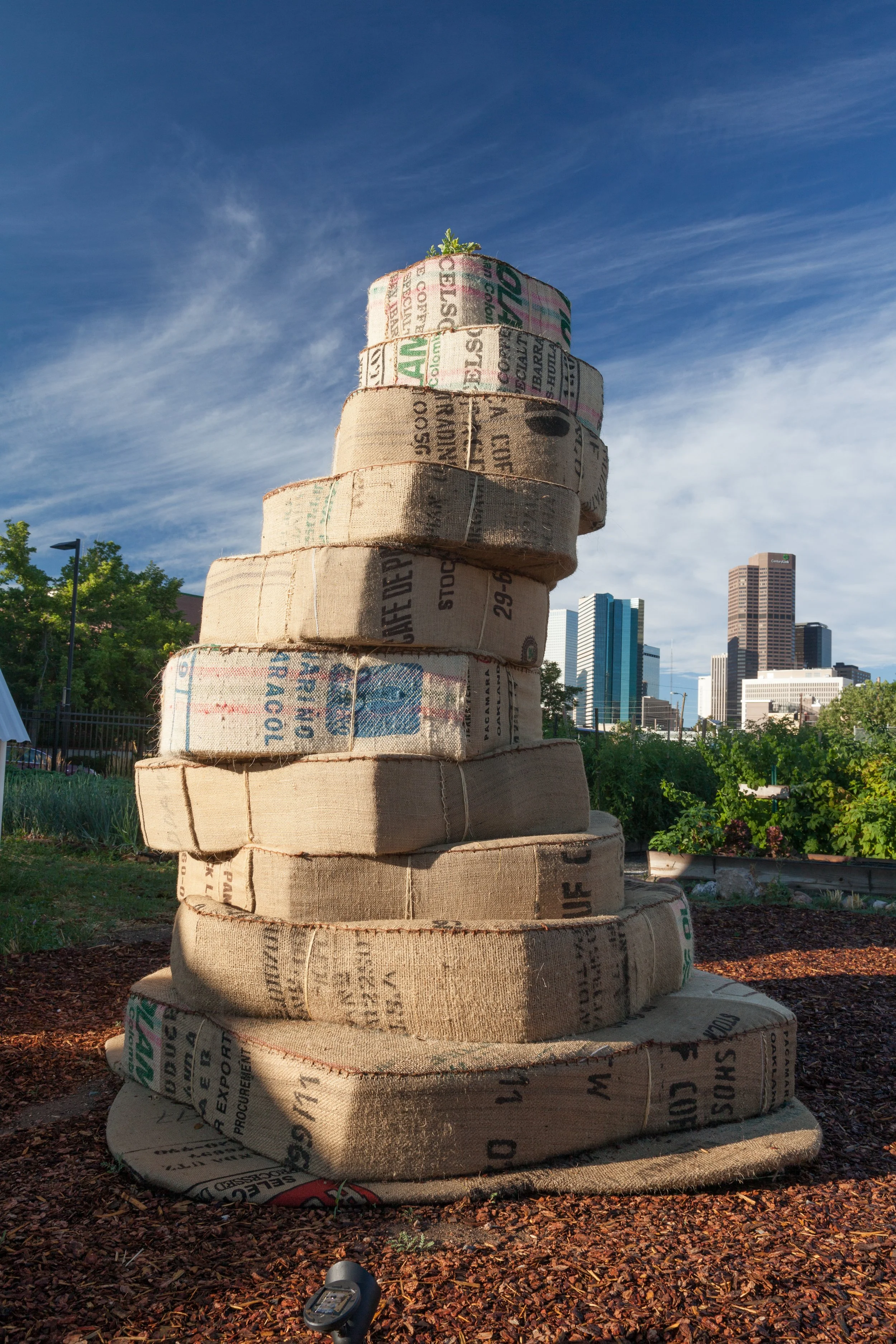
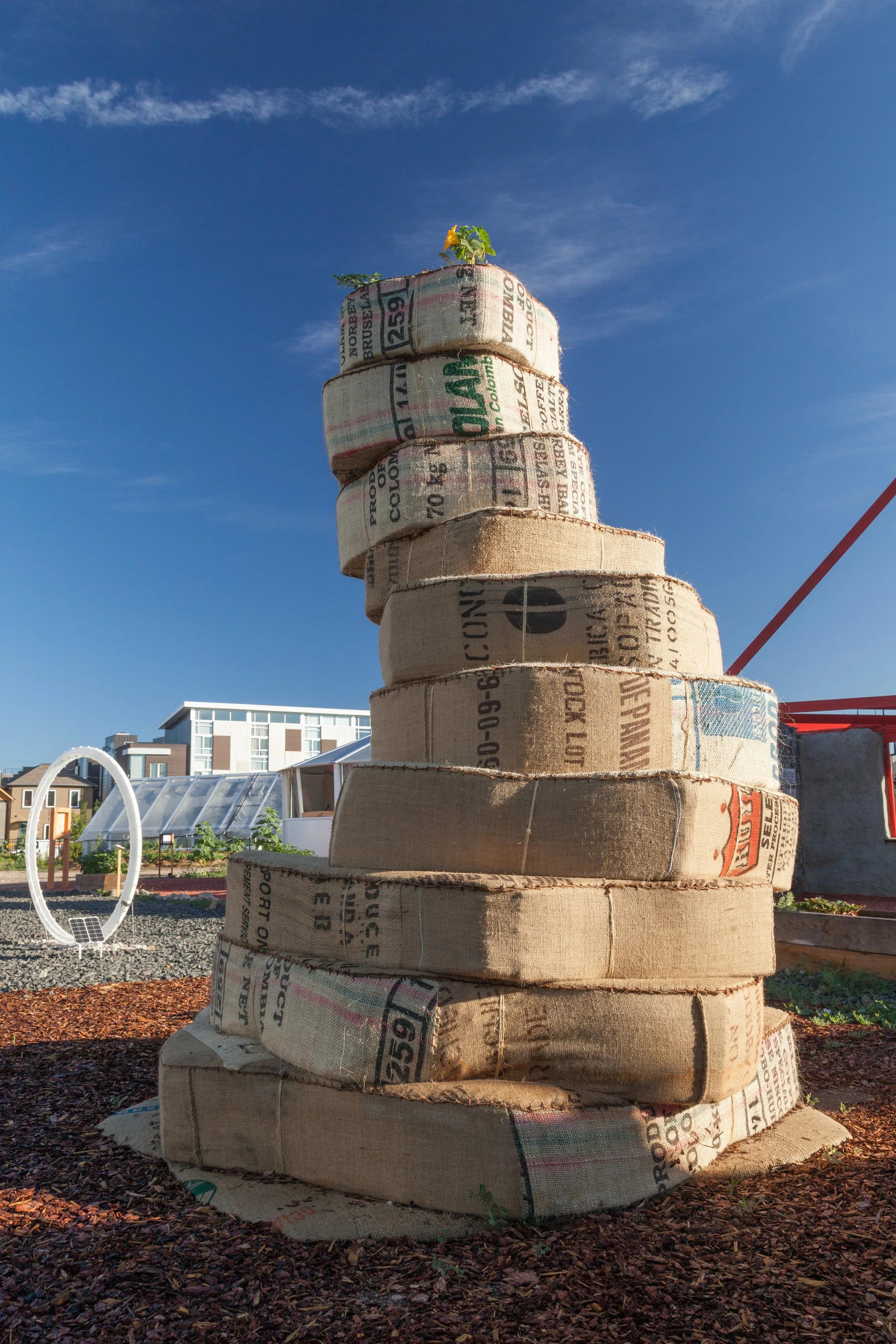
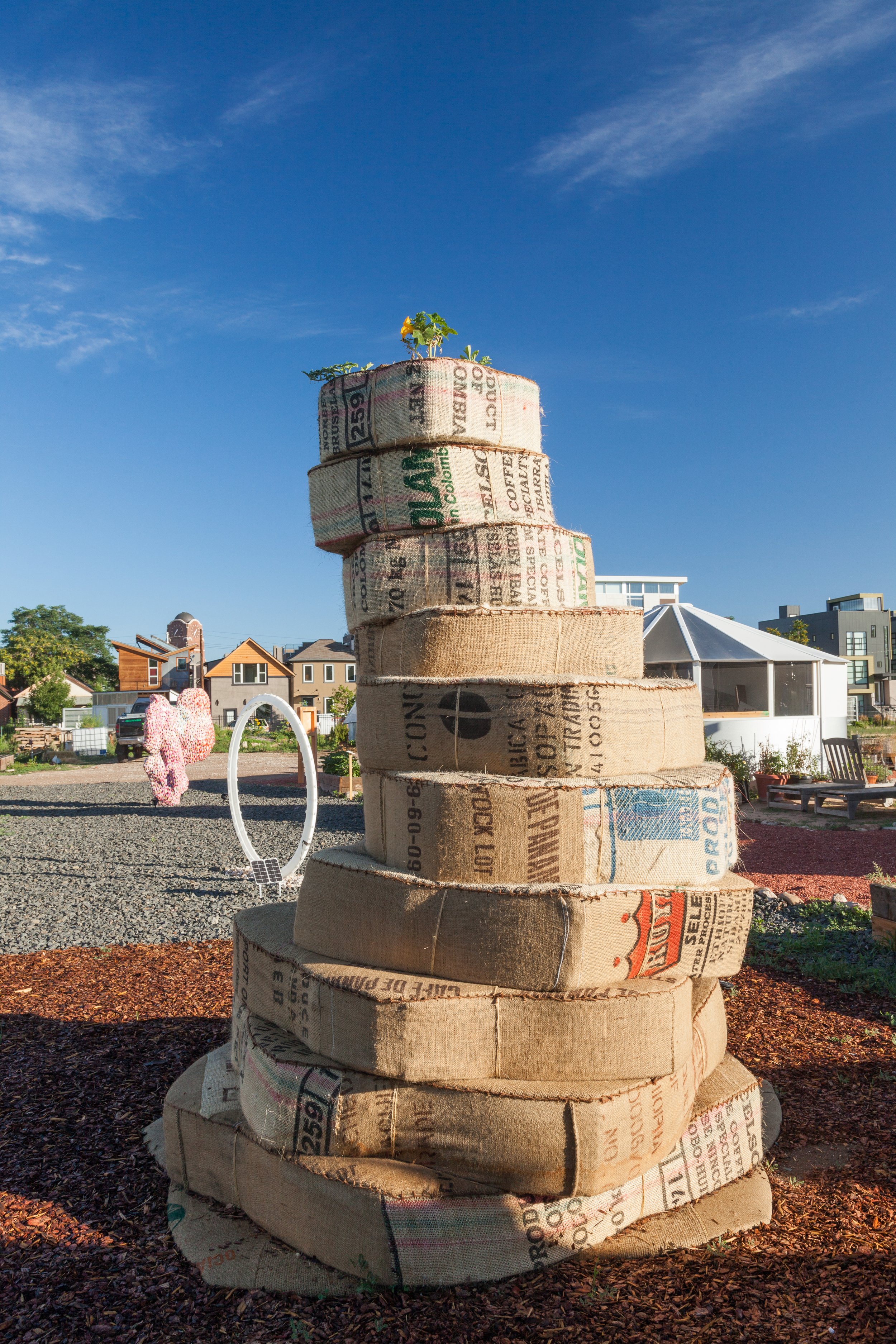
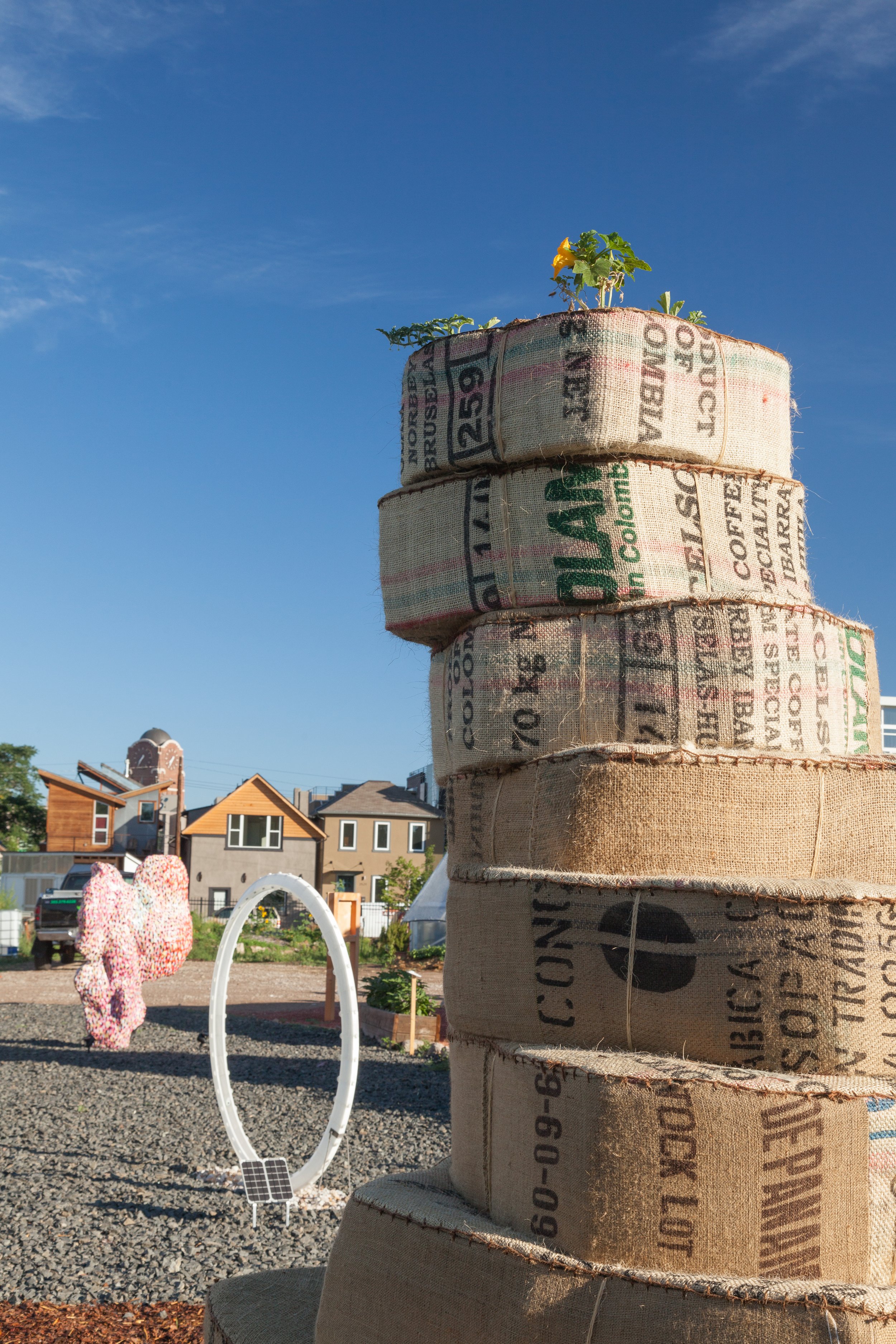
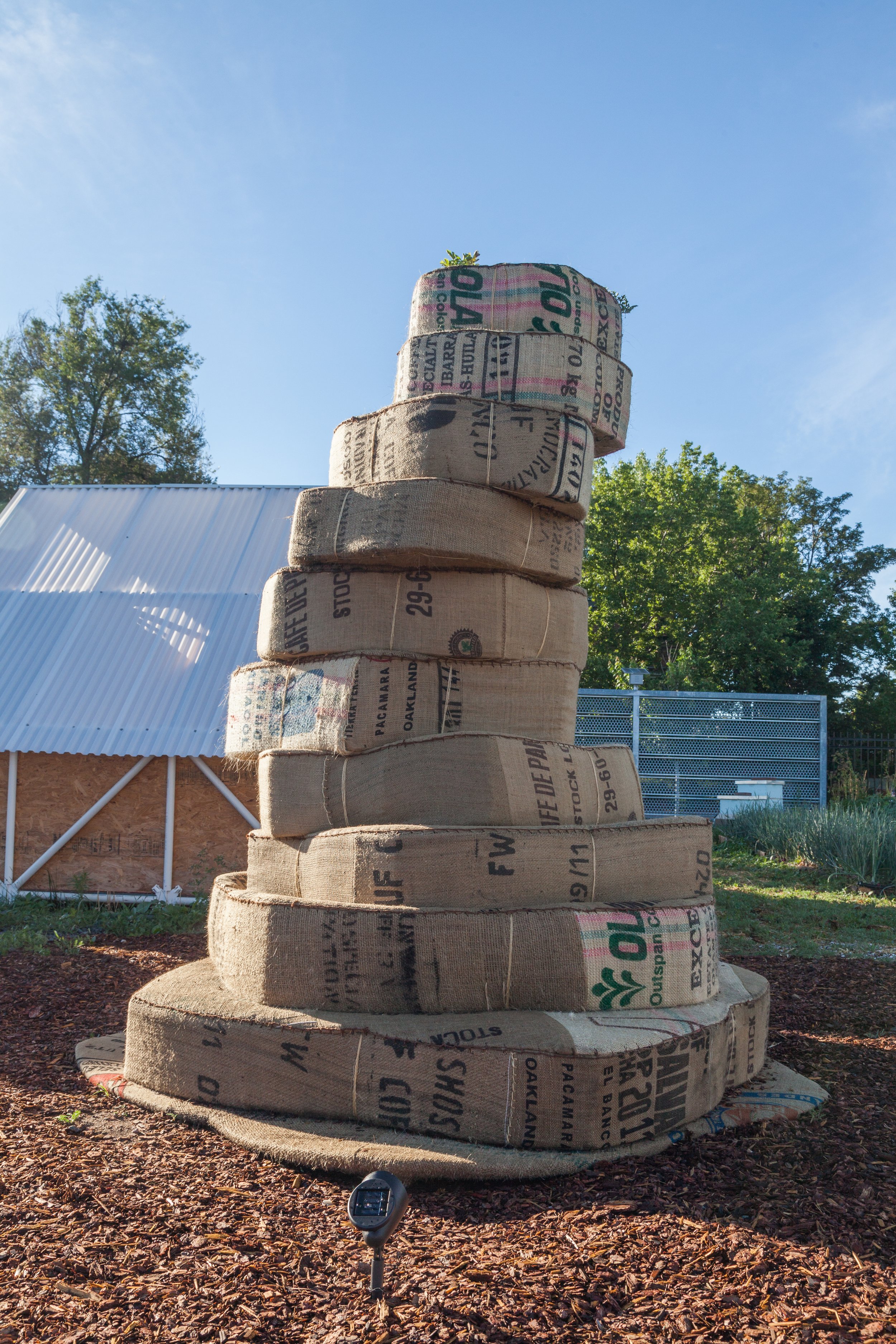
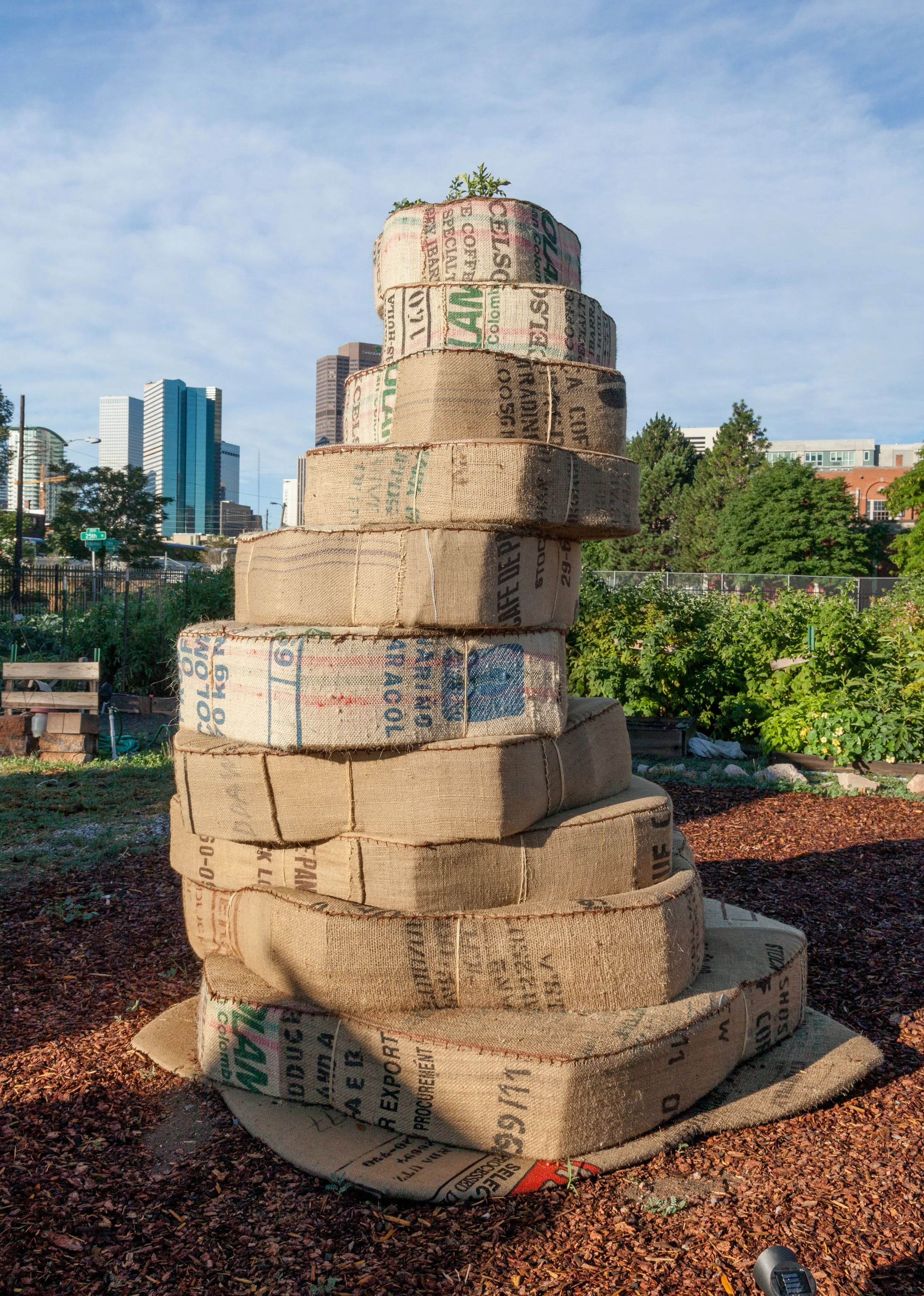
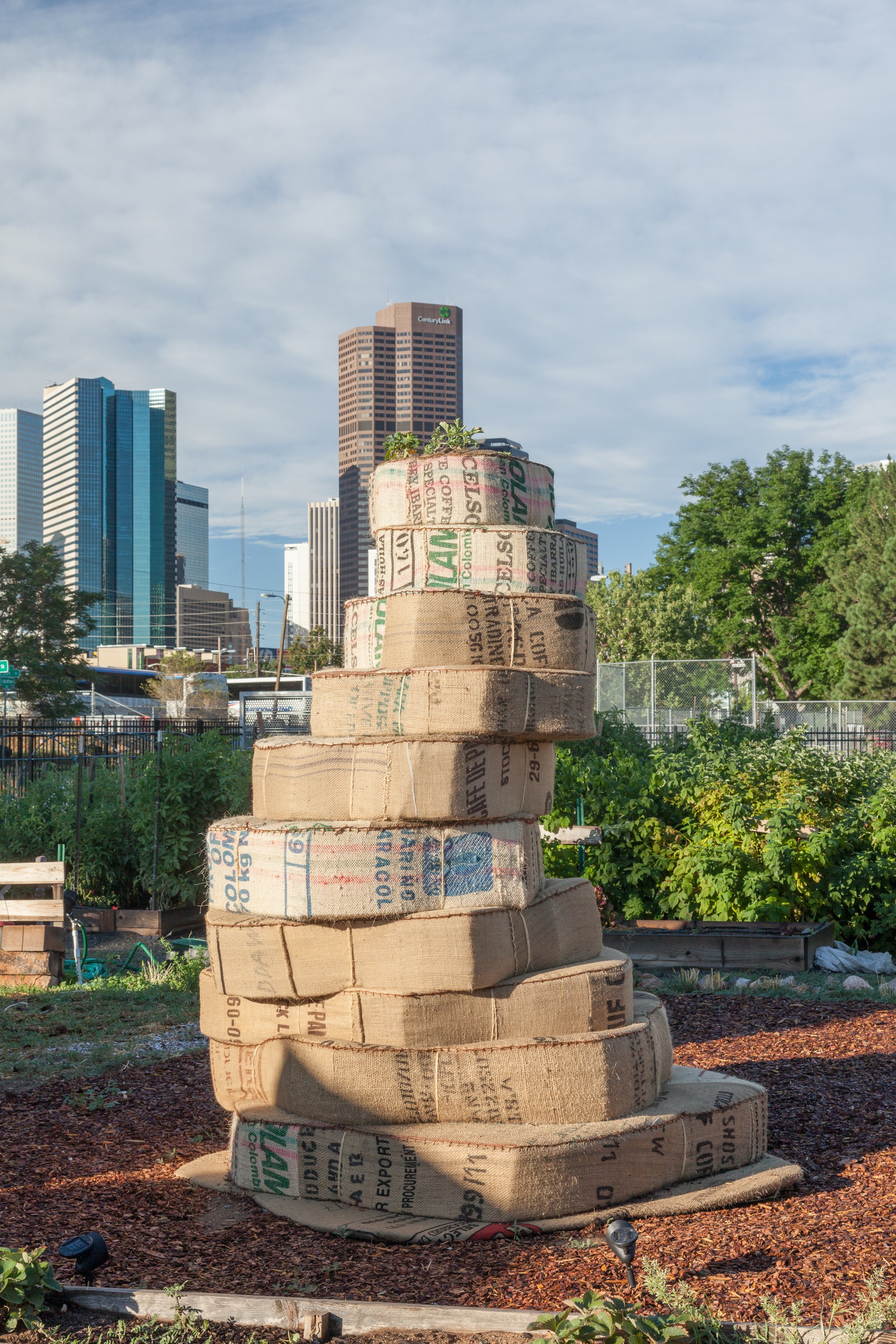
This installation marks the beginning of a series of public works dedicated to regenerating distressed or degraded ecosystems. Drawing inspiration from the golden spiral, the form is a deconstructed and reimagined expression of sacred geometry. Filled with a nutrient-rich compost blend high in nitrogen, potassium, phosphorus, calcium, magnesium, and iron, the installation is designed to actively replenish depleted urban soil. Internal pathways connect the spiral’s discs, enabling the movement of micronutrients through the structure and into the surrounding environment.
The intent of this work is remediation—using temporal and permanent artworks to heal and nurture ecosystems. By grounding the design in sacred geometry found in nature, the installation forges both a metaphoric and literal connection to its environment. The use of burlap sacks filled with compostable material adds another layer of meaning, linking the labor and cultivation of coffee bean farmers and their fertile lands to the site’s potential for renewal. Together, these elements create a foundation for a thriving new ecosystem while inviting reflection on the interconnectedness of natural and human efforts.

MIR2
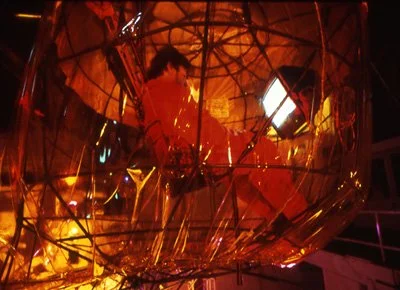
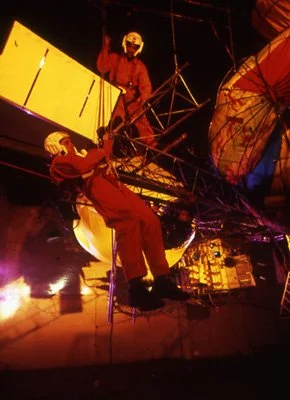
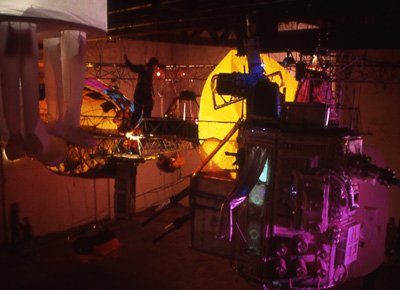
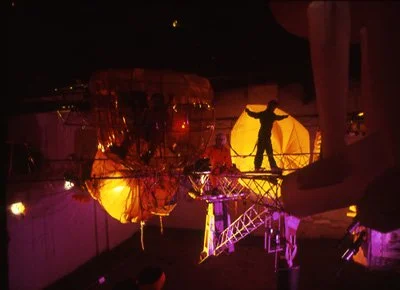
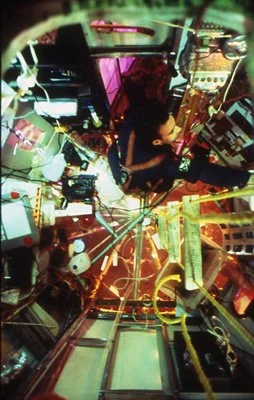
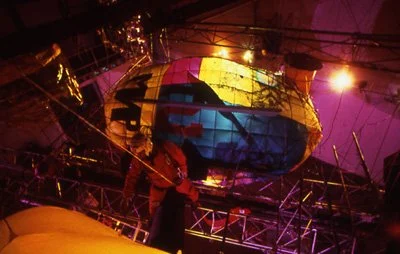
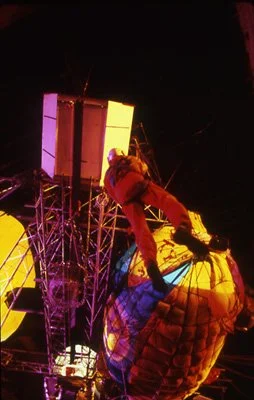
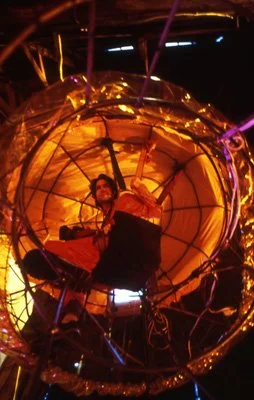
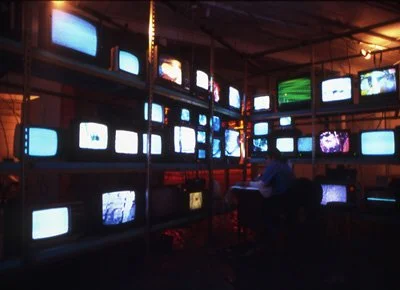
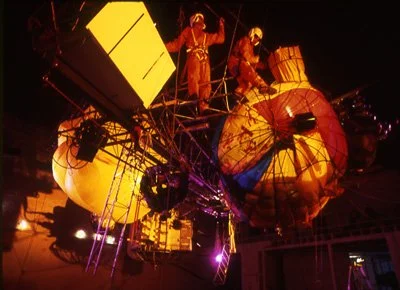
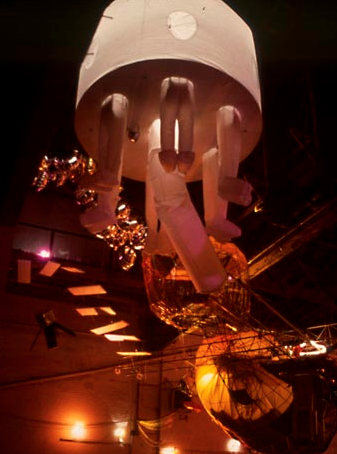
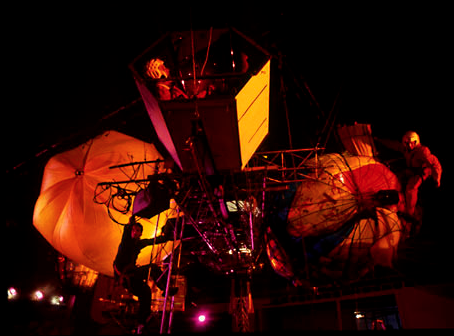
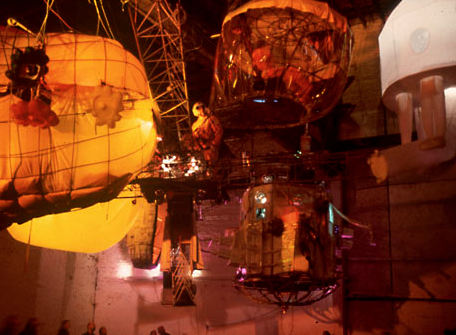
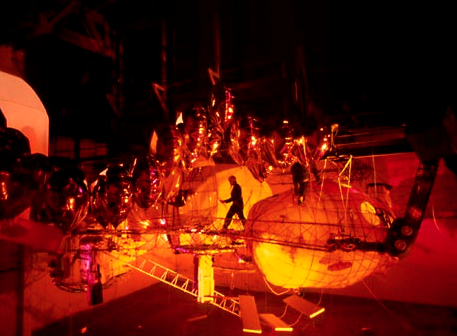
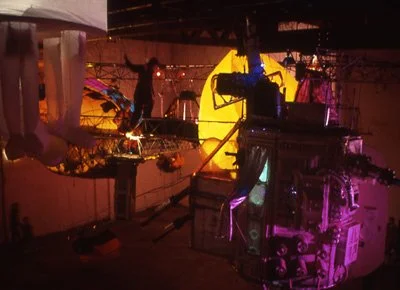
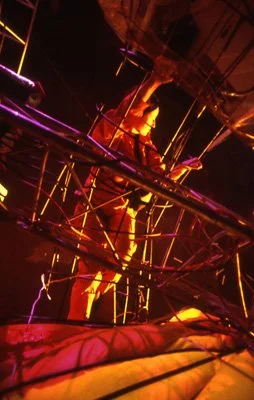
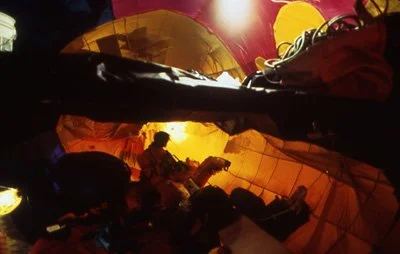
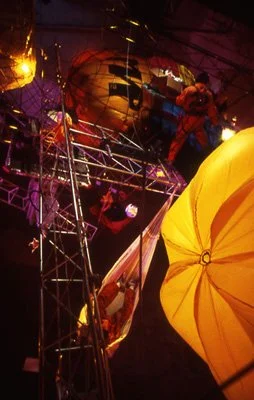
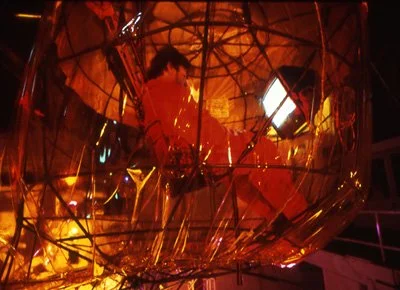
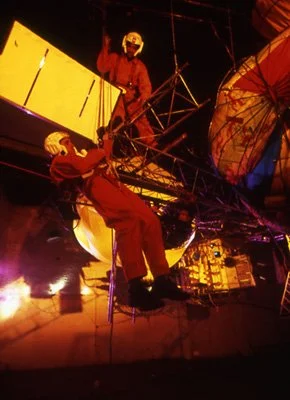
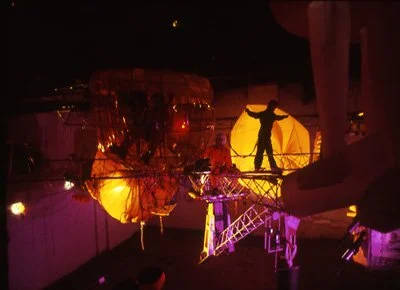
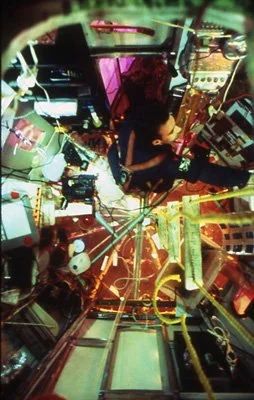
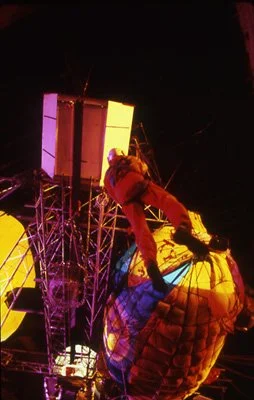
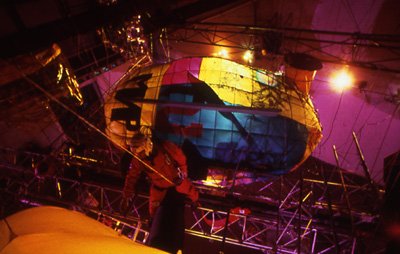
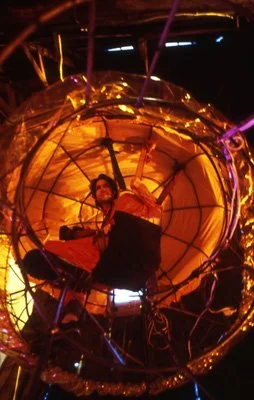
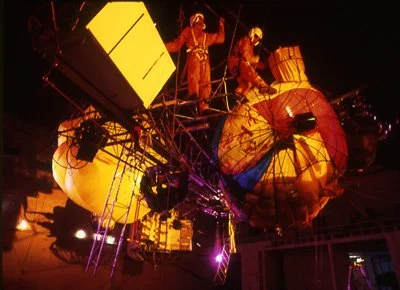
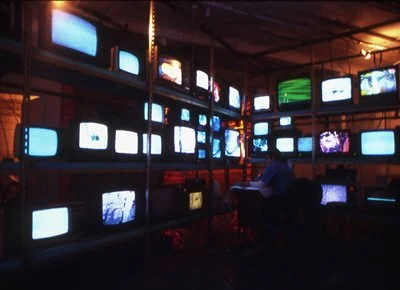
MIR2 was a multimedia installation and performance team I was a part of in the 2000s, and this specific project was known for its innovative use of art, technology, and collaborative performance. This work drew inspiration from space exploration and was a month-long performance and installation at Smack Mellon Studios in Brooklyn, New York. This project utilized the International Space Station as a model for collaboration, featuring interconnected communication devices, live closed-circuit television monitors, and interactive elements that engaged both performers and visitors.
We received critical acclaim for this work, including a Bessie Award for Performance Installation and New Media. The installation was reviewed by prominent publications such as The New York Times and Artforum, highlighting the impact on the contemporary art scene. Key members of the Mir2 team included Carrie Dashow, who designed the "Ground Control" communication network for the installations, Ward Shelley, known for his large-scale projects that blend sculpture and performance., Matt Bua, whose work encompasses installations, drawings, films, videos, and performance art pieces, and myself, who contributed to the creation of sewn textile elements including the inflatable sculptures and the outer "skin" of the installation.
MIR2's projects exemplified the fusion of art and technology, creating immersive experiences that invited audiences to explore the intersections of human interaction, technological systems, and the vastness of space.
Pyrolysis
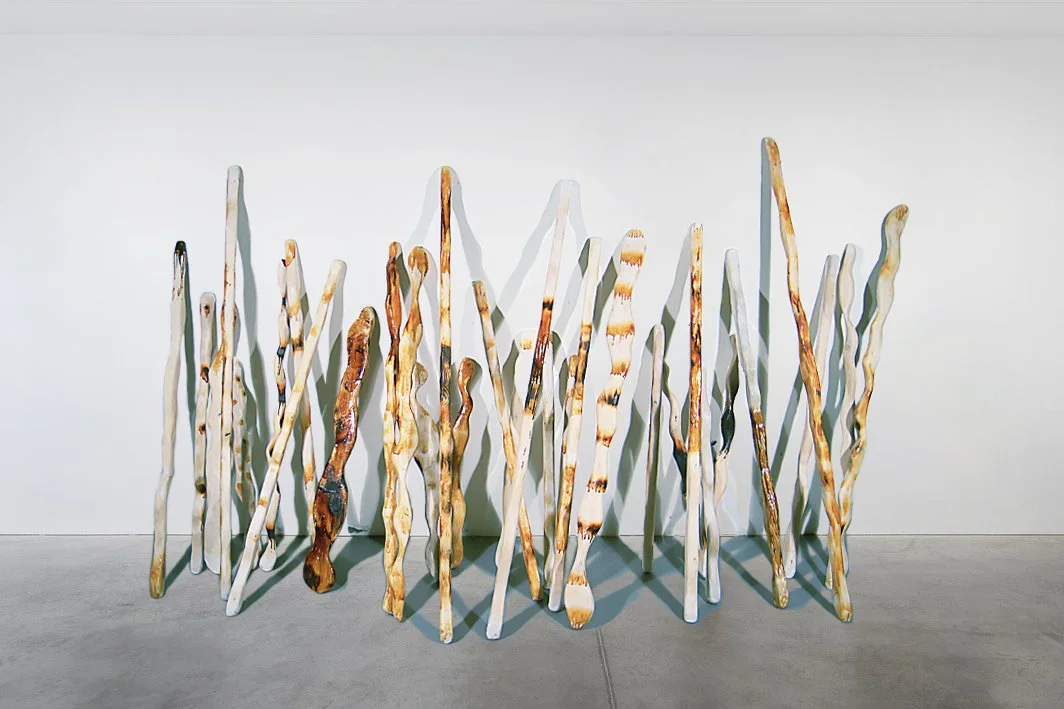
Composed of found materials - old wood remnants from an abandoned construction site - these anthropomorphic forms were hand-sculpted, coated and burned to suggest complex associations with our ever changing climate.
Enduring Figures
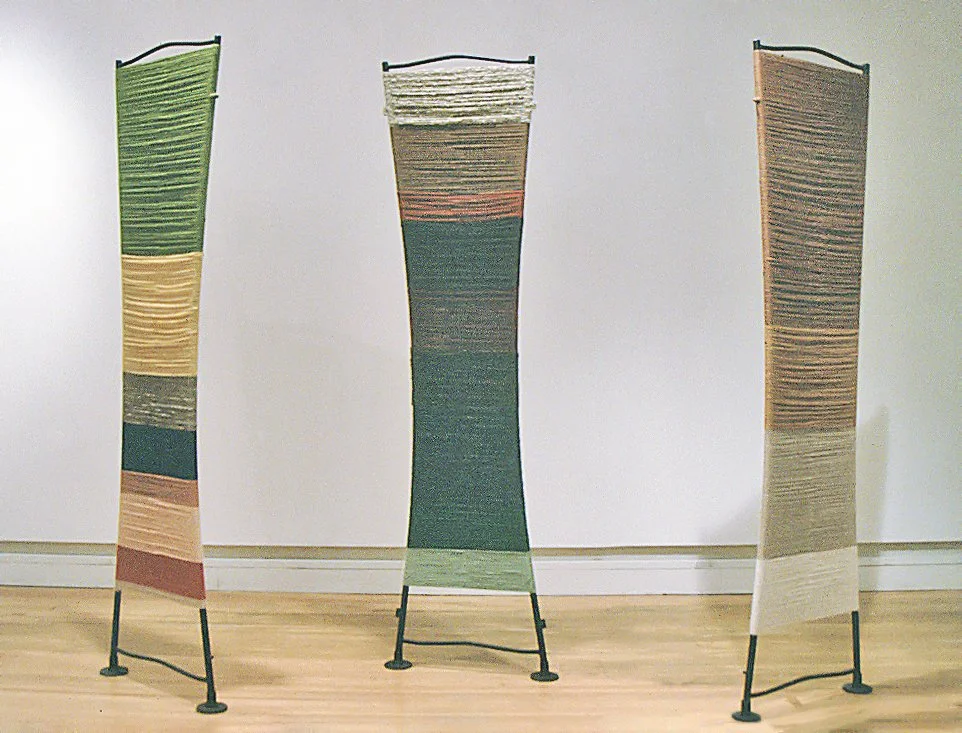
A meditation on one of the oldest surviving crafts in the world. There are some indications that weaving was known as early as 27,000 years ago. The basic principle of weaving was applied to interlace found iron frame figures, as branches and twigs were used to create shelters for protection so long ago. Weaving became an indispensable skill for people and was consequently closely connected to the family unit, a tradition that has endured for millennia.
Women and Madness
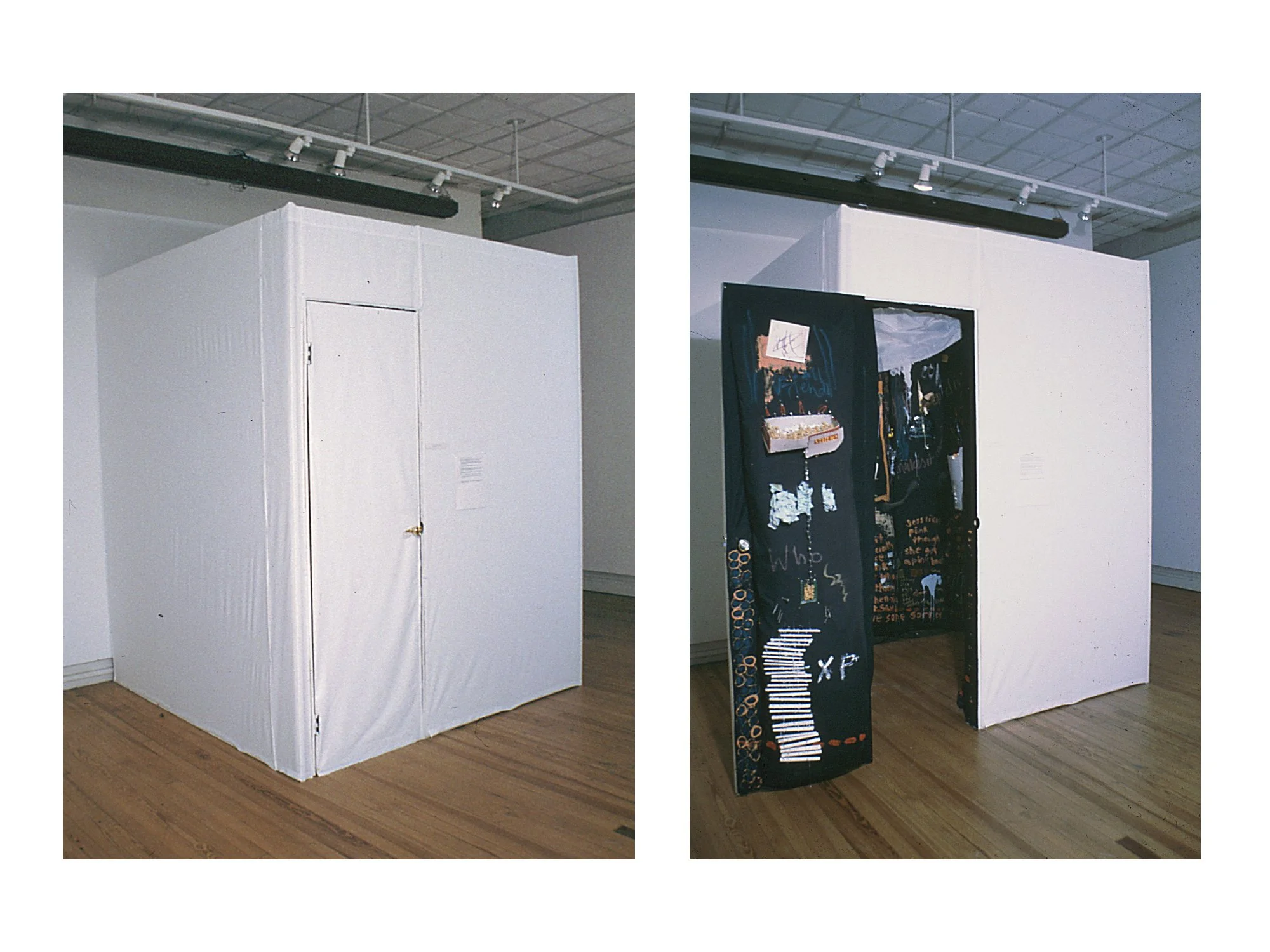
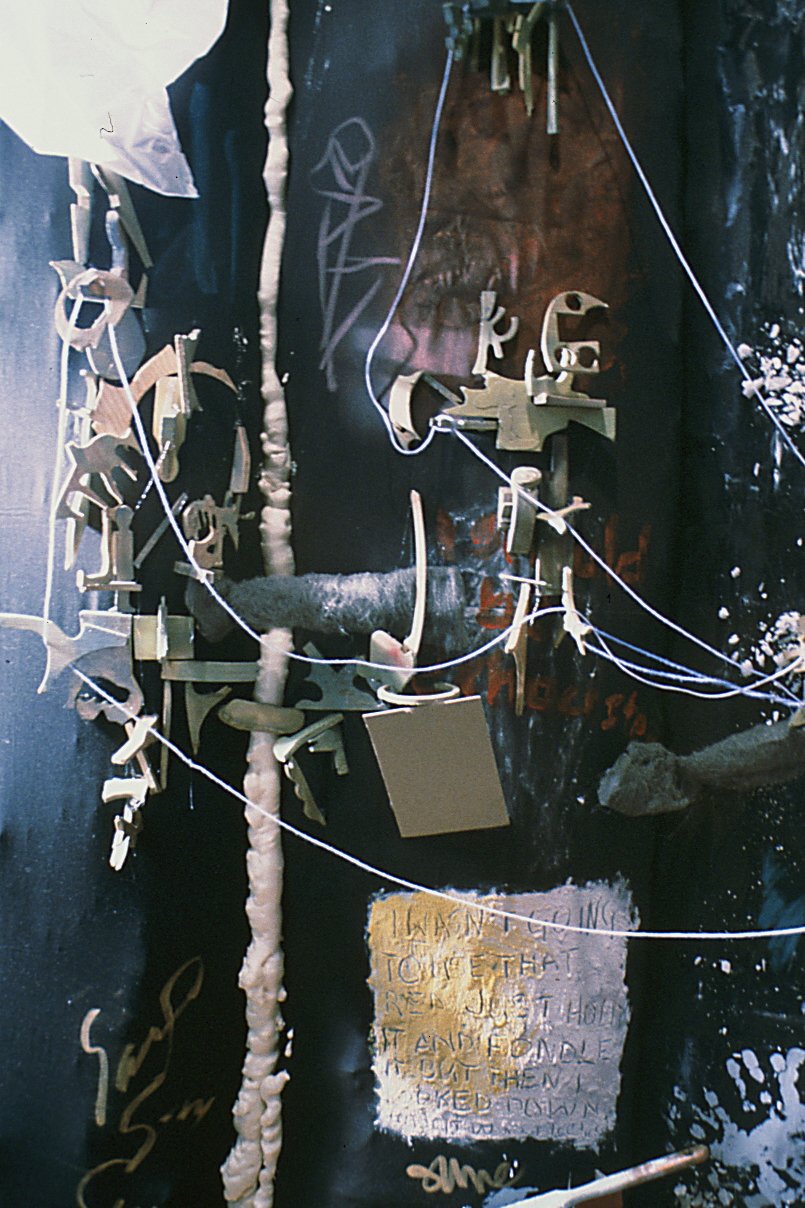
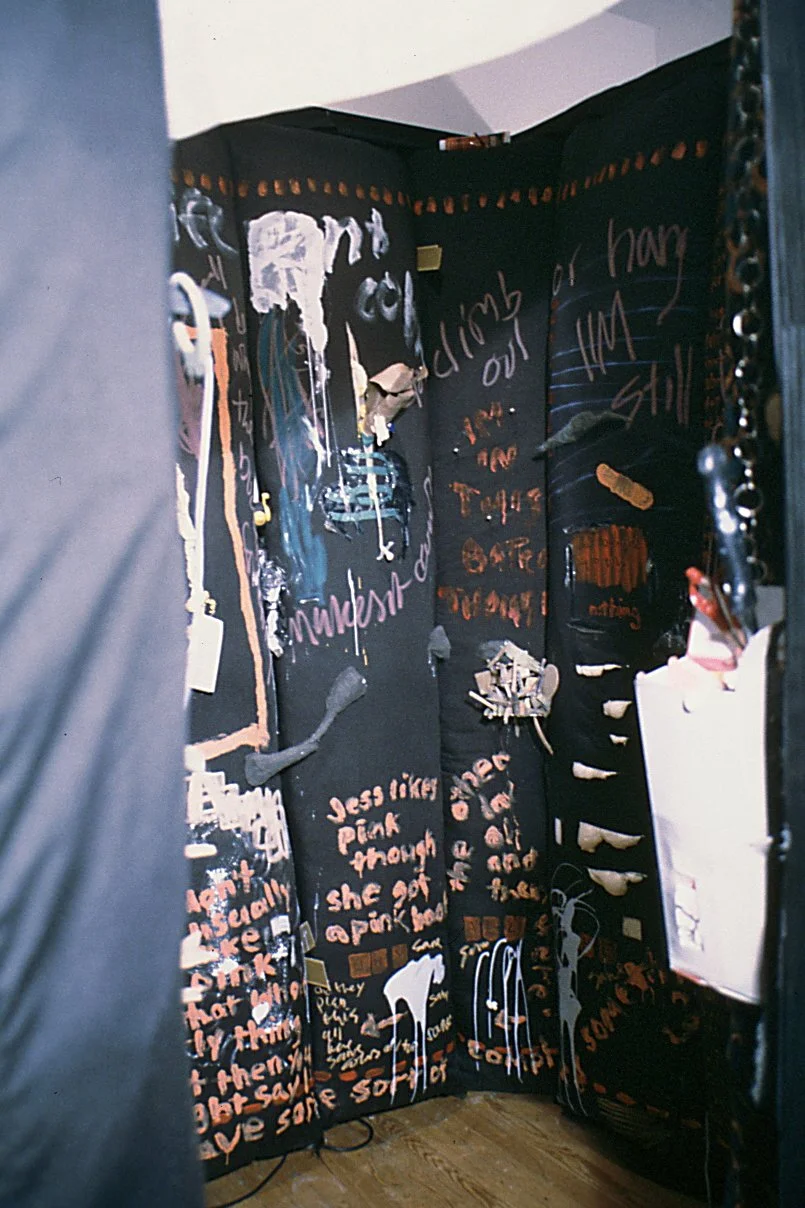
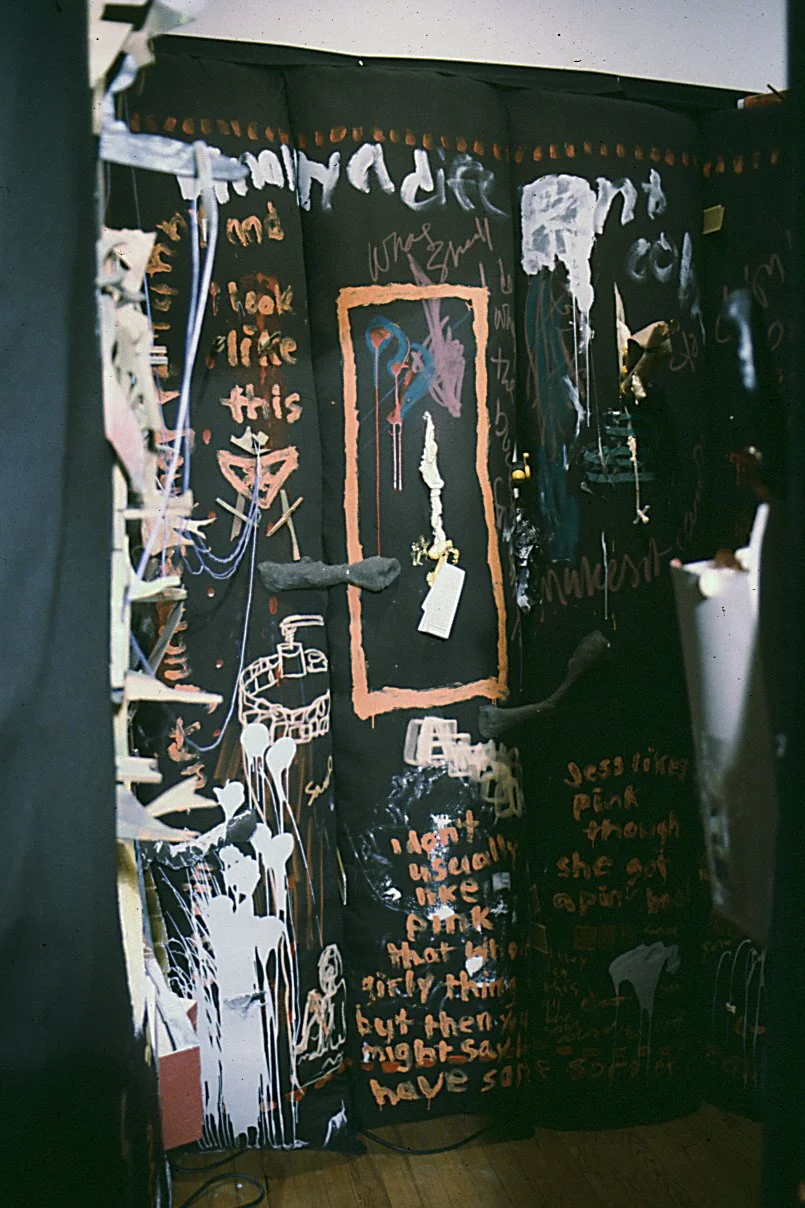
Women and Madness is an art installation exploring the intersection of gender, mental health, and societal power structures. It examines the historical and cultural feminization of psychiatric and psychological thinking and practice, highlighting how these fields have influenced, and been influenced by, gendered norms. The installation draws inspiration from Phyllis Chesler’s groundbreaking 1972 book, Women and Madness, which challenged male-dominated narratives in psychiatry. Prior to Chesler’s work, male authors linked definitions of pathology and health, treatment methods, and societal power dynamics to the judgments and authority of doctors—reinforcing patriarchal control over concepts of sanity and madness. Chesler disrupted this framework, revealing how these judgments were shaped by the conditions of women living in a patriarchal society. Through this lens, the installation addresses critical issues in women’s mental health. By weaving these themes together, the work creates a space to reflect on the systemic challenges women face in the pursuit of mental and emotional well-being.